 Canada
 U.S.A.
 International
Customize Your Building
 100% Canadian Made
CUSTOM DESIGN: DESIGN-FORWARD STEEL ARCH BUILDINGS
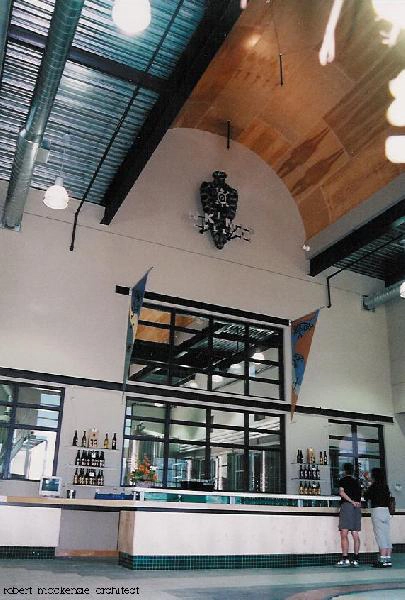
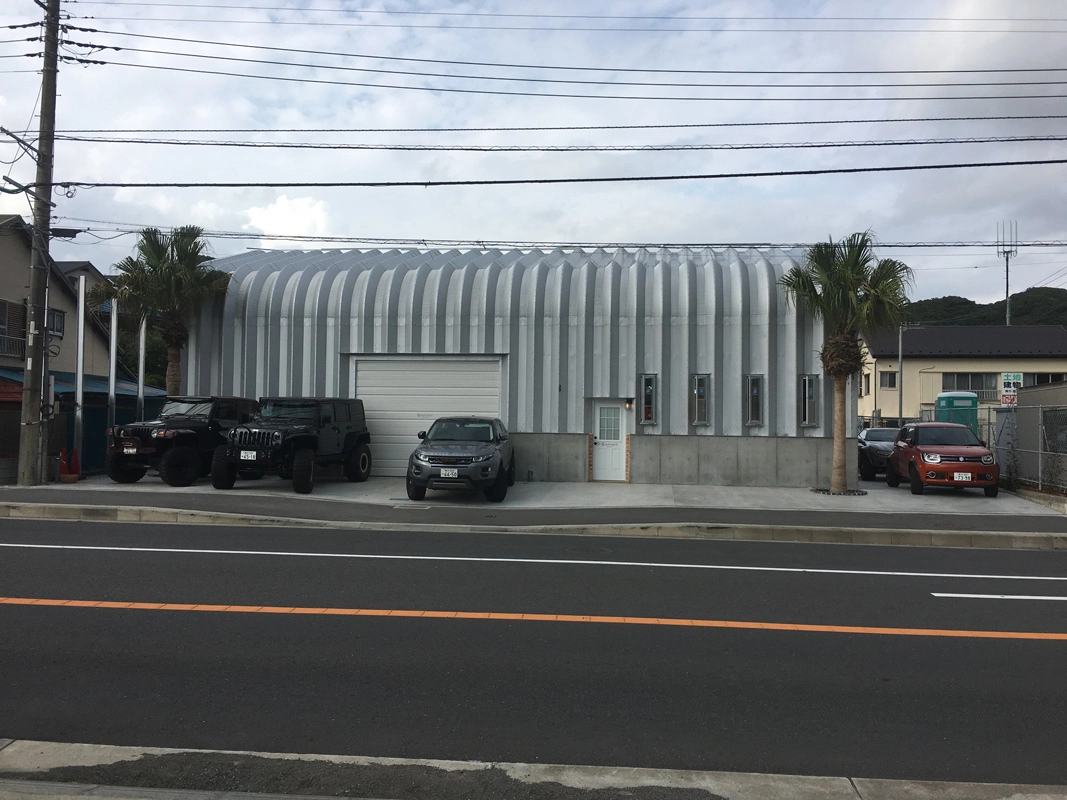
Steel arch buildings are often selected for performance, but design flexibility is frequently misunderstood. While some associate arch structures with purely utilitarian applications, modern steel arch systems can be customized to achieve clean, contemporary, and architecturally refined results across commercial, municipal, agricultural, and residential uses.
Pioneer Steel buildings are engineered to balance structural efficiency with design adaptability, allowing projects to meet functional requirements without sacrificing appearance.
Rethinking the Arch Form
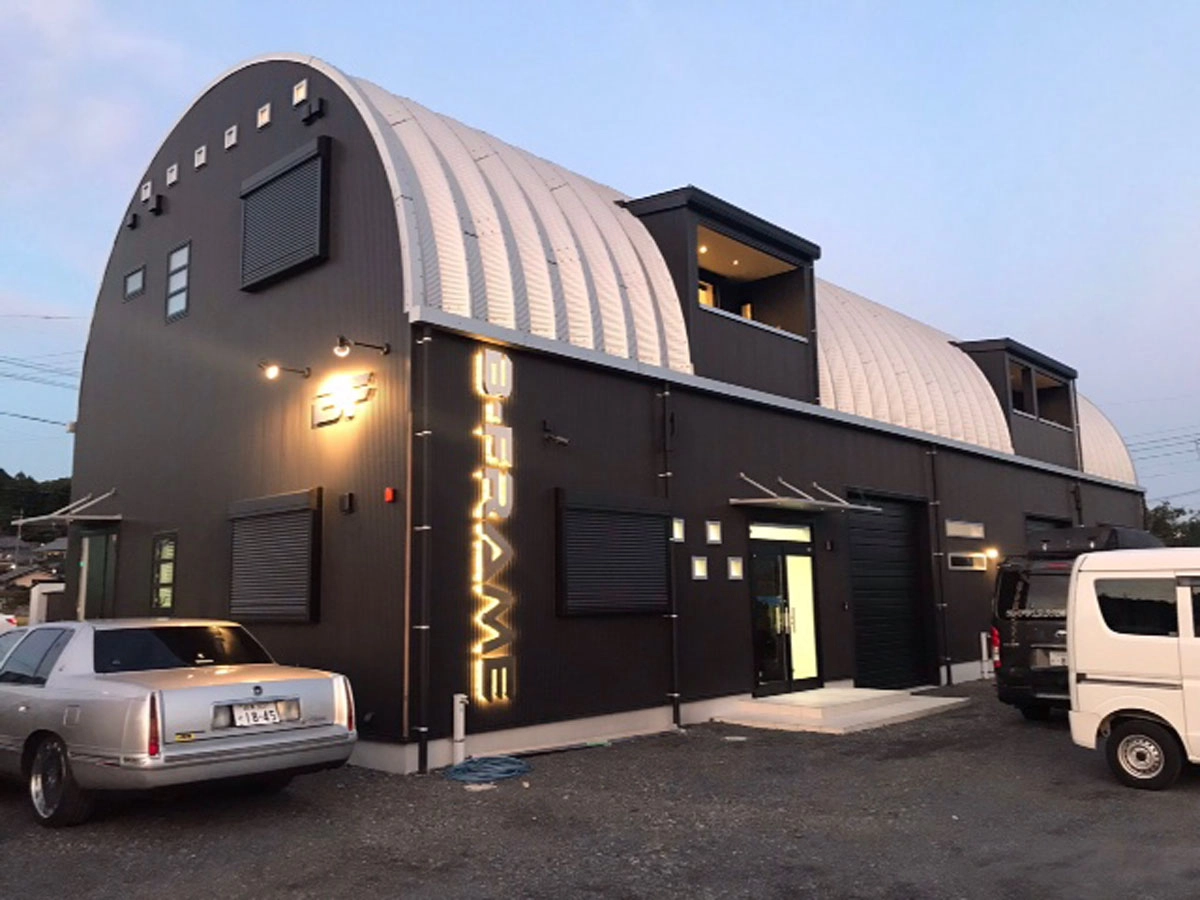
The arch profile is a structural solution optimized for strength, load distribution, and material efficiency. When paired with modern customization options, it also becomes a versatile design foundation.
Rather than limiting aesthetics, the arch provides:
- Large uninterrupted interior volumes
- Clean exterior lines
- Flexibility in endwall and façade treatments
- Opportunities for modern material combinations
Design outcomes are shaped less by the arch itself and more by how the building envelope is detailed and finished.
Custom Endwalls and Façade Design
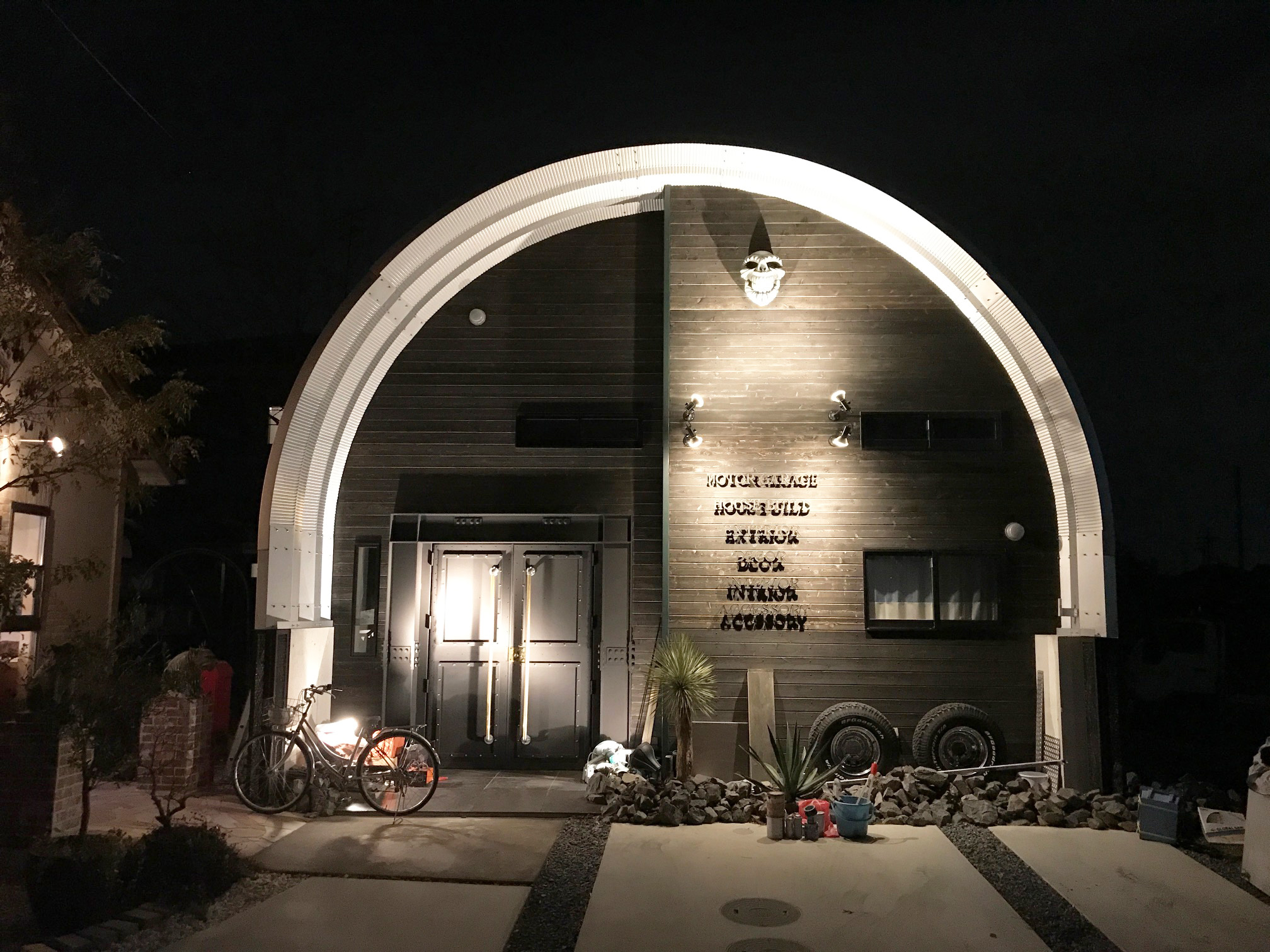
Endwalls play a central role in the visual identity of a steel arch building. Pioneer Steel buildings support a wide range of endwall configurations that significantly influence appearance and function.
Common options include:
- Straight or framed endwalls for a more conventional architectural look
- Glass and glazed sections to introduce daylight and transparency
- Architectural cladding, wood accents, or metal panel variations
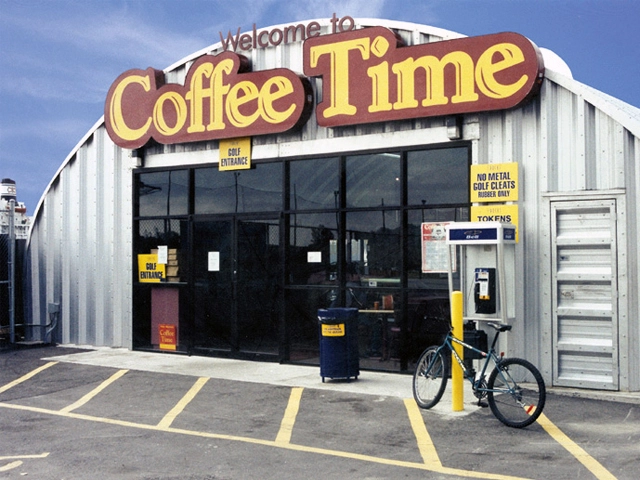
- Integrated pedestrian entrances and storefront-style openings
These elements allow buildings to align with surrounding architecture, zoning expectations, and branding requirements—particularly in commercial and municipal settings.
Daylighting and Interior Atmosphere
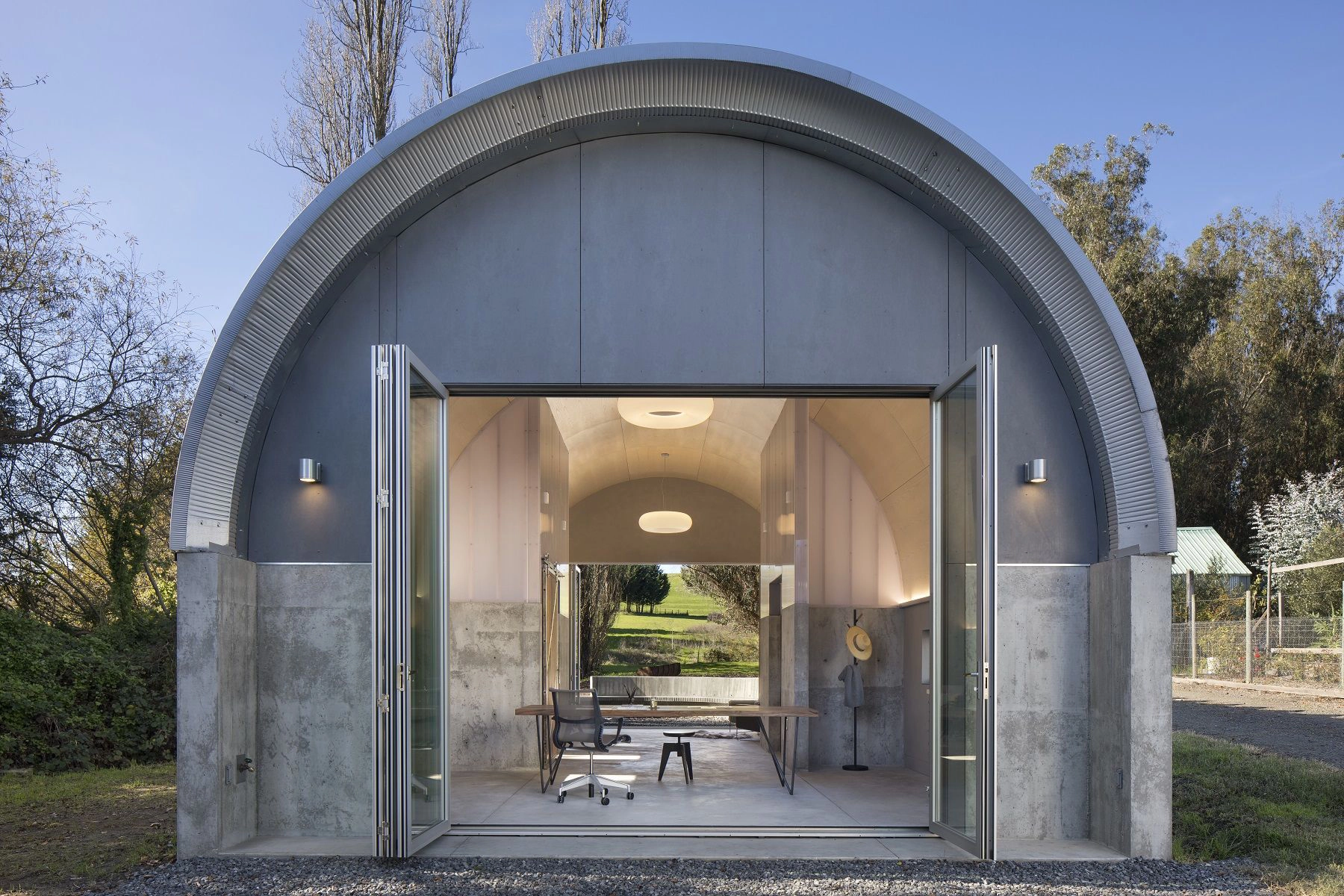
Design-forward buildings prioritize interior experience as much as exterior appearance. Pioneer Steel buildings can be configured to maximize natural light and create functional, comfortable interior environments.
Daylighting options may include:
- Skylights and translucent panels
- Clerestory-style glazing
- Custom window placements
- Open interior layouts enabled by clear-span design
Natural light not only improves usability but also contributes to energy efficiency and occupant comfort in workspaces, storage facilities, and public-use buildings.
Clear-Span Design as a Design Asset
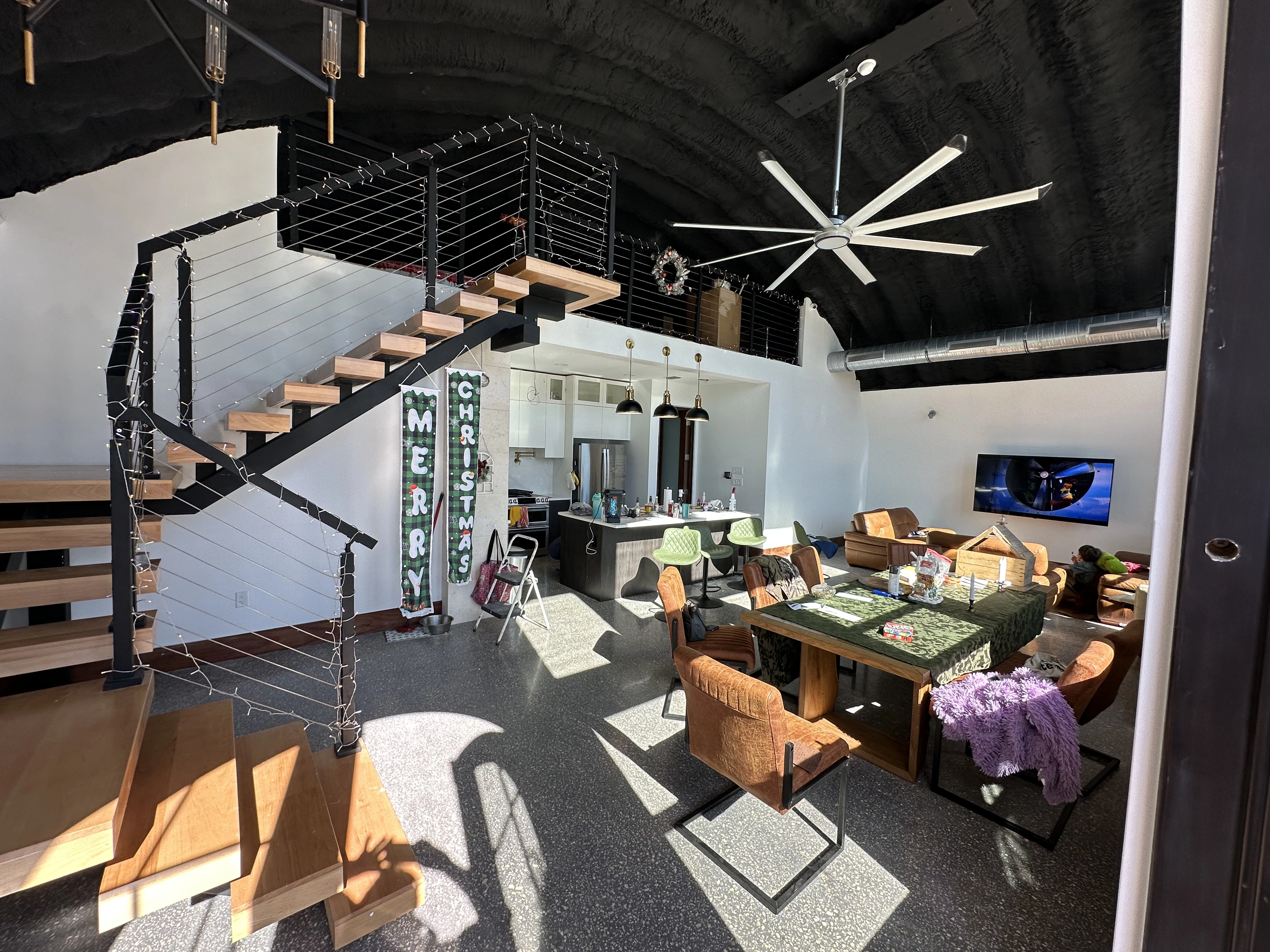
The trussless clear-span design used in Pioneer Steel buildings is often viewed as a functional advantage, but it also serves as a design asset.
Without interior columns:
- Interior layouts remain visually open
- Spaces can be adapted for changing uses
- Architectural finishes are not interrupted by structural obstructions
- Large-format doors and glazing are easier to integrate
This flexibility is especially valuable for homes, aviation hangars, workshops, recreational facilities, retail spaces, and modern agricultural buildings where interior openness contributes to both aesthetics and efficiency.
Blending Performance with Architectural Detail
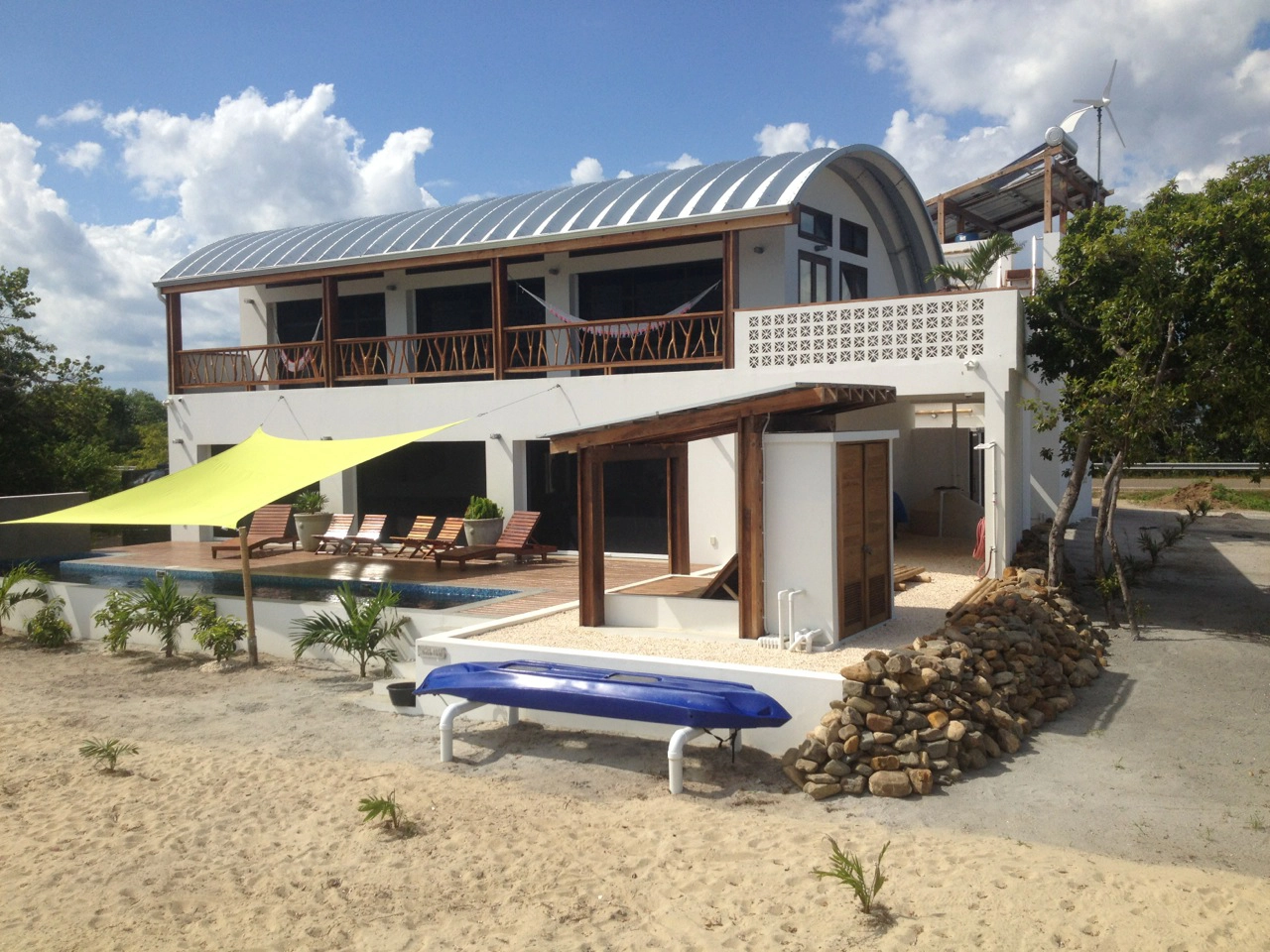
Design-forward steel buildings succeed when performance features are integrated discreetly into the architecture.
Pioneer Steel buildings allow for thoughtful integration of:
- Ventilation systems
- Insulation assemblies
- Condensation control strategies
- Acoustic treatments
- Mechanical and electrical systems
By planning these elements early, projects can maintain clean interior and exterior lines while meeting performance and comfort requirements.
Suitable for Public-Facing Applications
Steel arch buildings are increasingly used in applications where appearance matters as much as durability.
Examples include:
- Municipal storage and operations facilities
- Recreational buildings and arenas
- Retail and commercial spaces
- Community workshops and maker spaces
- Aviation and transportation facilities
In these contexts, architectural detailing, material selection, and site integration are key to achieving acceptance and visual credibility. Pioneer Steel systems provide the structural flexibility needed to support these design goals.
Enhancing Aesthetic Appeal Confidently
Concerns about curved walls or unconventional profiles are common among first-time buyers considering arch-style buildings. These concerns are best addressed through design, not avoidance.
Effective strategies include:
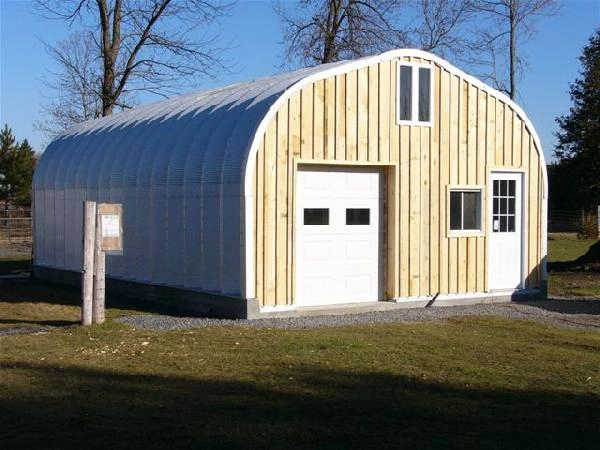
- Using framed endwalls to introduce straight vertical elements
- Incorporating cladding materials that complement nearby buildings
- Adding glazing and architectural features to soften industrial perceptions
- Designing proportions that align with the building’s use and surroundings
When executed thoughtfully, arch buildings can appear modern, intentional, and visually balanced.
Customization Without Compromising Engineering
Design flexibility does not require compromising structural performance. Pioneer Steel buildings are engineered to accommodate customization while maintaining compliance with snow, wind, and load requirements. This includes:
- Engineering support for non-standard openings
- Accommodation of design-driven façade elements
- Coordination with foundation and site constraints
- Documentation to support permitting and inspections
Customization is treated as part of the engineering process, not an afterthought.
Built for Long-Term Use and Adaptation
Design priorities often change over time. Pioneer Steel buildings are designed to adapt.
Clear-span interiors, modular expansion options, and durable materials allow buildings to evolve with new uses, tenants, or operational needs without major structural alterations. This adaptability supports long-term value in both private and public-facing projects.
A Modern Expression of Performance
Design-forward steel arch buildings demonstrate that performance and aesthetics are not mutually exclusive.
By combining structural efficiency with customizable architectural elements, Pioneer Steel buildings offer a practical solution for projects that demand durability, flexibility, and visual credibility—especially in challenging environments where traditional construction may struggle to perform over time.