 Canada
 U.S.A.
 International
Benefits
 100% Canadian Made
BENEFITS OF A PIONEER STEEL BUILDING
Pioneer Steel buildings are engineered to deliver long-term structural performance in Canada’s most demanding environments. From extreme winter snow loads to coastal corrosion and high winds, every system is designed around durability, safety, and total cost of ownership—not short-term convenience.
Here are the core benefits that consistently differentiate Pioneer Steel buildings in real-world use.
Engineered for Long-Term Durability
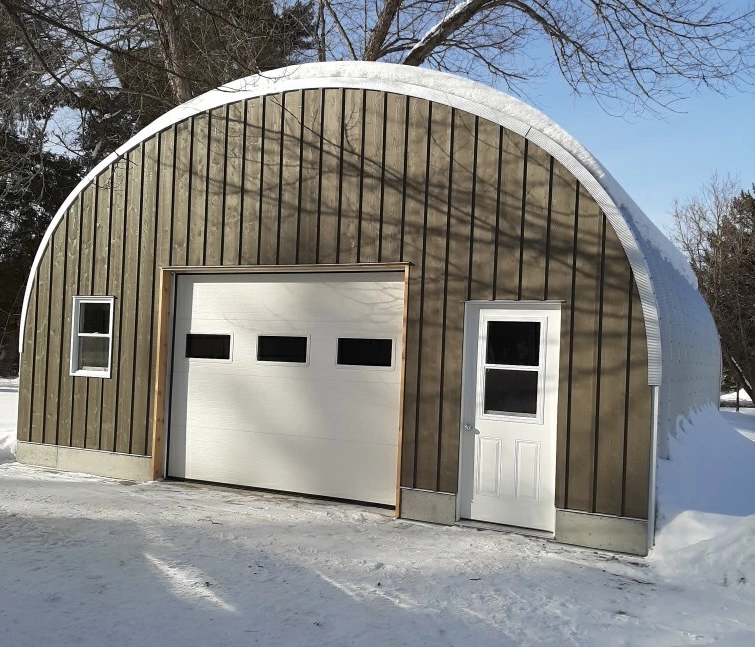
Steel buildings are often chosen for strength, but not all steel building kits are engineered for decades of exposure to Canadian climate extremes. Pioneer Steel buildings are designed with a long service life as the primary objective.
Each structure is engineered to resist heavy snow accumulation, strong winds, freeze–thaw cycles, and environmental corrosion. Unlike wood or lightly coated steel systems, Pioneer buildings are designed to maintain structural integrity and usable interior space over multiple decades with minimal degradation.
Durability is not treated as a feature—it is the baseline design requirement.
AZM180 Galvalume PlusTM Steel Means Protection
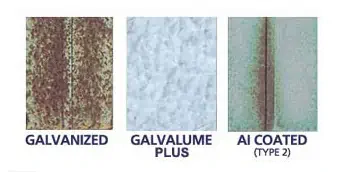
A core performance advantage of Pioneer Steel buildings is the use of AZM180 Galvalume PlusTM steel, a high-performance aluminum-zinc-magnesium coating engineered for superior corrosion resistance.
Compared with traditional galvanized steel, AZM180 coatings provide significantly improved protection against rust perforation, especially in moisture-prone and corrosive environments such as coastal regions, agricultural settings, and areas exposed to road salt or fertilizers.
This coating system is a primary reason Pioneer Steel buildings are frequently specified for long-term outdoor exposure where corrosion is a leading cause of premature structural failure.

50-Year Rust Perforation Warranty
Pioneer Steel buildings are backed by a 50-year rust perforation warranty, reflecting confidence in both material selection and manufacturing standards.
This warranty addresses one of the most common long-term risks in steel construction: corrosion-related failure. By extending protection across five decades, the warranty supports predictable ownership costs and reduces long-term risk for agricultural, commercial, municipal, and residential applications.
For buyers comparing steel buildings on lifecycle value rather than initial price alone, warranty coverage is a critical differentiator.
Snow and Wind Engineering for Canadian Conditions
Canadian weather imposes structural demands that exceed many international design standards. Pioneer Steel buildings are engineered specifically for Canadian snow and wind loads, with designs tailored to regional conditions.
Key benefits include:
- High snow-load capacity to manage accumulation and shedding
- Wind-uplift resistance for exposed and open terrain
- Engineering support aligned with provincial and municipal code requirements
- Stamped drawings available to support permitting and inspections
This engineering focus makes Pioneer Steel buildings well-suited for snowbelt regions, prairie wind zones, and areas subject to extreme weather variability.
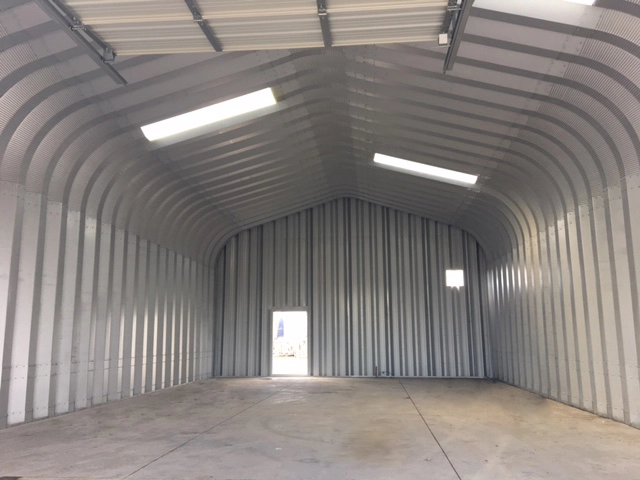
Trussless Clear-Span Design
Pioneer Steel buildings use a trussless clear-span design, eliminating interior columns and maximizing usable space.
This approach delivers:
- 100% usable interior floor area
- Flexible layouts for storage, equipment, livestock, workshops, or commercial use
- Easier reconfiguration as needs change
- Improved vehicle and equipment access
Clear-span interiors are especially valuable in agricultural, aviation, fleet, equipment storage and industrial applications where interior obstructions reduce efficiency and safety.
Lower Lifetime Ownership Cost
One of the most practical benefits of a Pioneer Steel building is reduced long-term maintenance.
Steel structures do not rot, warp, or attract pests. Combined with corrosion-resistant coatings and engineered fastener systems, this results in:
- Fewer repairs over time
- Reduced maintenance labour
- Lower replacement risk
- Predictable long-term ownership costs
When evaluated over a 20 to 50-year lifespan, maintenance savings are often a primary driver of overall value compared with wood or lower-grade steel alternatives.
| Cost Factor | Pre-Engineered Steel Building | Wood Building |
|---|---|---|
| Initial Construction Cost | Moderate (potentially higher upfront) | Generally lower upfront cost |
| Maintenance Costs | Low (resistant to pests, rot, and warping) | Higher (susceptible to termites, rot, and warping) |
| Longevity | 50+ years with minimal maintenance | 20–40 years, may require significant repairs |
| Energy Efficiency | High (can be insulated effectively) | Moderate (may require more insulation upgrades) |
| Insurance Costs | Lower (fire and weather resistant) | Higher (more fire and weather risk) |
| Resale Value | Typically higher due to durability | May decrease faster over time |
| Total Lifetime Cost | Lower due to reduced maintenance and insurance | Higher when factoring in repairs and insurance |
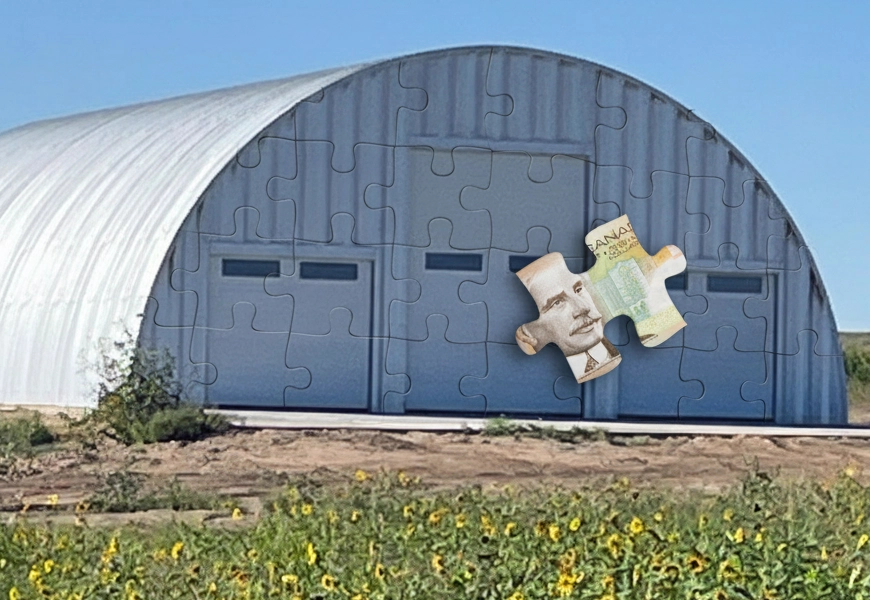
Built for Total Cost of Ownership
While upfront cost is often a comparison point, Pioneer Steel buildings are engineered for total cost of ownership.
Long service life, reduced maintenance, corrosion protection, and strong warranties contribute to lower long-term costs when compared with systems that require frequent repairs, replacements, or retrofits.
For owners planning beyond the initial build, this lifecycle-focused approach is a critical benefit.
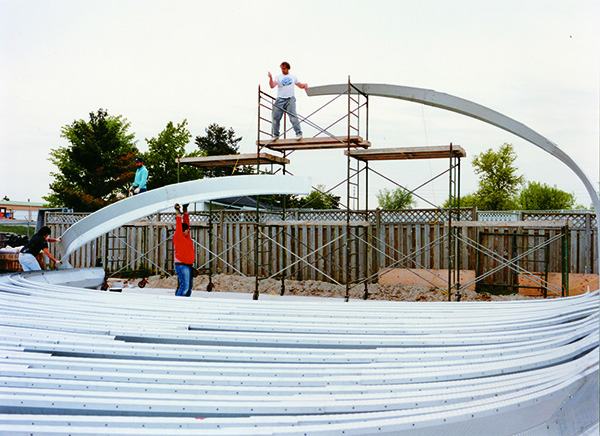
DIY-Friendly Without Compromising Engineering
Pioneer Steel buildings are designed to support DIY assembly while maintaining professional engineering standards.
Features include:
- Pre-drilled and clearly labeled components
- Single-bolt-size systems to simplify assembly
- Detailed manuals and planning support
- Access to technical guidance during installation
This balance allows capable owners and small crews to assemble buildings efficiently without sacrificing structural integrity or code compliance.
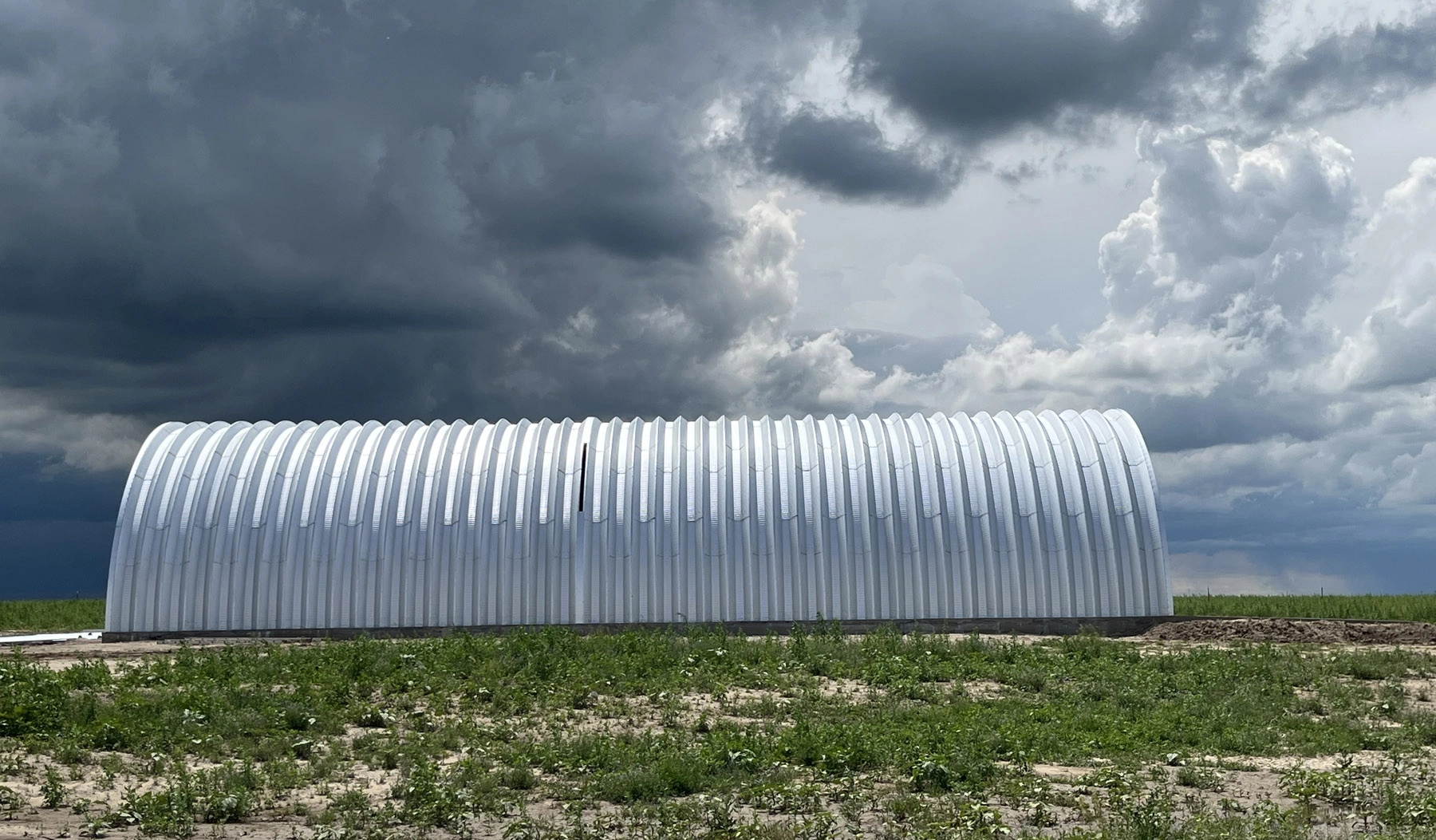
Designed to Adapt and Expand
Many owners start with one building and expand over time. Pioneer Steel’s modular design approach supports future growth without requiring a complete system replacement.
Buildings can often be extended in length, height, or configured for additional doors, ventilation, or interior partitions as needs evolve. This adaptability makes Pioneer Steel buildings suitable for phased development in agricultural, commercial, and industrial settings.
A Practical Advantage in Harsh Environments
Across Canada, Pioneer Steel buildings are commonly selected for applications where failure is not an option: agricultural storage, fleet operations, workshops, municipal infrastructure, and remote installations.
The combination of corrosion resistance, structural engineering, and long-term durability positions Pioneer Steel as a practical solution where environmental stress is a defining factor—not an exception.